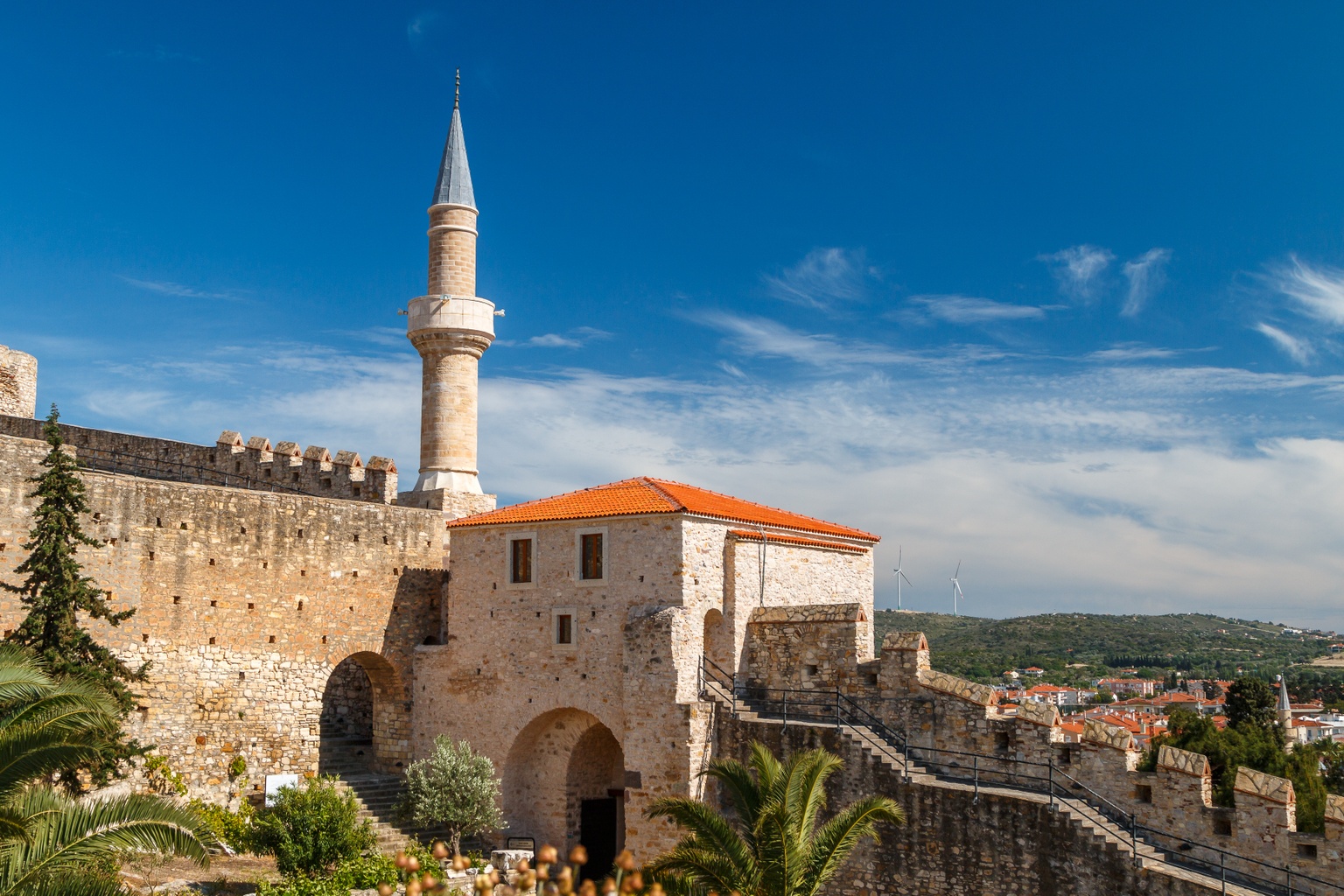
Start at the castle, spend time in its museum, then walk through the çarşı and finish by the harbour. This compact route brings together the parts of Çeşme that a beach holiday can easily overlook: archaeology, old commercial streets and the waterfront at the centre of the town.
A relaxed half-day leaves room for the exhibits, a few detours and lunch. Give the museum more time if that is your interest, or shorten the street walk when the weather calls for it. Our Çeşme town-centre guide helps place the route within a longer stay.
Plan around the museum
Check the official Çeşme Museum page for current opening hours, last admission, ticket arrangements and access notices. Check museum-pass eligibility if relevant. Start with the museum so that a slow lunch or an interesting side street does not leave you rushing to reach it before closing.
In hot weather, a morning visit also leaves more flexibility for a shaded lunch break. An afternoon start works if you allow enough time inside before heading to the waterfront. If you are staying elsewhere on the peninsula, settle the return journey before you set out; our guide to getting around Çeşme covers the wider transport choices.
Inside Çeşme Castle
The castle has more than one historical layer. The museum’s account describes traces of earlier Genoese construction and enlargement under Bayezid II in 1508–1509. Inside, Bağlararası finds introduce Bronze Age Çeşme; sea-recovered amphorae and the display on the Ottoman–Russian naval battle of 1770 bring the water into the story.
Erythrai is another important thread. The museum holds finds from the ancient city, alongside objects including lamps, glass vessels, sculpture and coins, as described in GoTürkiye’s Çeşme guide. Look at the collection before deciding whether to visit the archaeological site on a separate trip. It offers a useful introduction without requiring you to add Ildır to the same morning.
Allow time for a handful of objects rather than trying to give every case equal attention. The pottery and amphorae make a good starting point for anyone interested in everyday life and trade; the naval-history display may hold other visitors longer. The castle’s Ottoman walls surround objects from much older settlements.
If upper sections are open and suit your mobility, include them after the galleries. Follow the signs and staff guidance rather than assuming every part of the fortification is accessible. Outside, look for the statue of Cezayirli Hasan Paşa with his lion, noted in Visit İzmir’s castle entry, before continuing into the streets.
Through the çarşı and old streets
The protected historic centre includes stone houses, fountains and commercial buildings, with much of its domestic architecture dating from the late nineteenth and early twentieth centuries. Visit İzmir’s historic-centre entry gives the background. This is a good section to explore without a strict sequence of stops.
Look above the shopfronts at upper floors and doorways, then take a short loop through the adjoining streets. You can keep the castle as your reference point rather than attempting a comprehensive tour of the centre. A café stop here fits naturally between the museum and waterfront, particularly if you would rather have lunch among the streets than beside the marina.
For an additional cultural stop, check whether Aya Haralambos is open during your visit. Built as a church in 1832 and later restored for use as an art gallery, it is described in the official destination guide. Treat the interior as an optional addition dependent on current access or exhibitions; the walk works perfectly well without it.
Finish at the harbour and marina
Return towards the water and follow the public waterfront towards the marina. After the enclosed streets, the open view of boats and harbour gives you somewhere to linger. Lunch, a coffee or simply a seat by the water makes a sensible final stop.
Choose how far to continue according to the weather and your energy. Keep to public areas around the marina, where access to individual pontoons may be restricted. Allow separately for the journey back to your accommodation.
Two ways to spend the half-day
- The full, unhurried version: museum and castle, a loop through the çarşı and old streets, an optional Aya Haralambos visit, then the waterfront and lunch.
- The shorter version: focus on the museum, choose one small street loop and finish with a look at the harbour. Leave the extended marina stroll for another day.
Once you reach the centre, walking is the natural basis for this outing. For a holiday built around buses and taxis, our Çeşme without a car guide helps with the wider planning.
Heat, steps and wet weather
Bring water, sun protection and shoes with good grip. In summer, leave the most exposed walking for a cooler part of the day. For wheelchair or pushchair access, or if stairs are difficult, ask the museum specifically about entrances, galleries and upper sections before visiting; adapt the street loop to the conditions you find.
The museum can provide an indoor stop in wet weather, but the castle visit and the route beyond it are not fully covered. Wet stone and exposed sections need care. In heavy rain or strong wind, keep the museum at the centre of the plan and shorten the walk outside.
What to do afterwards
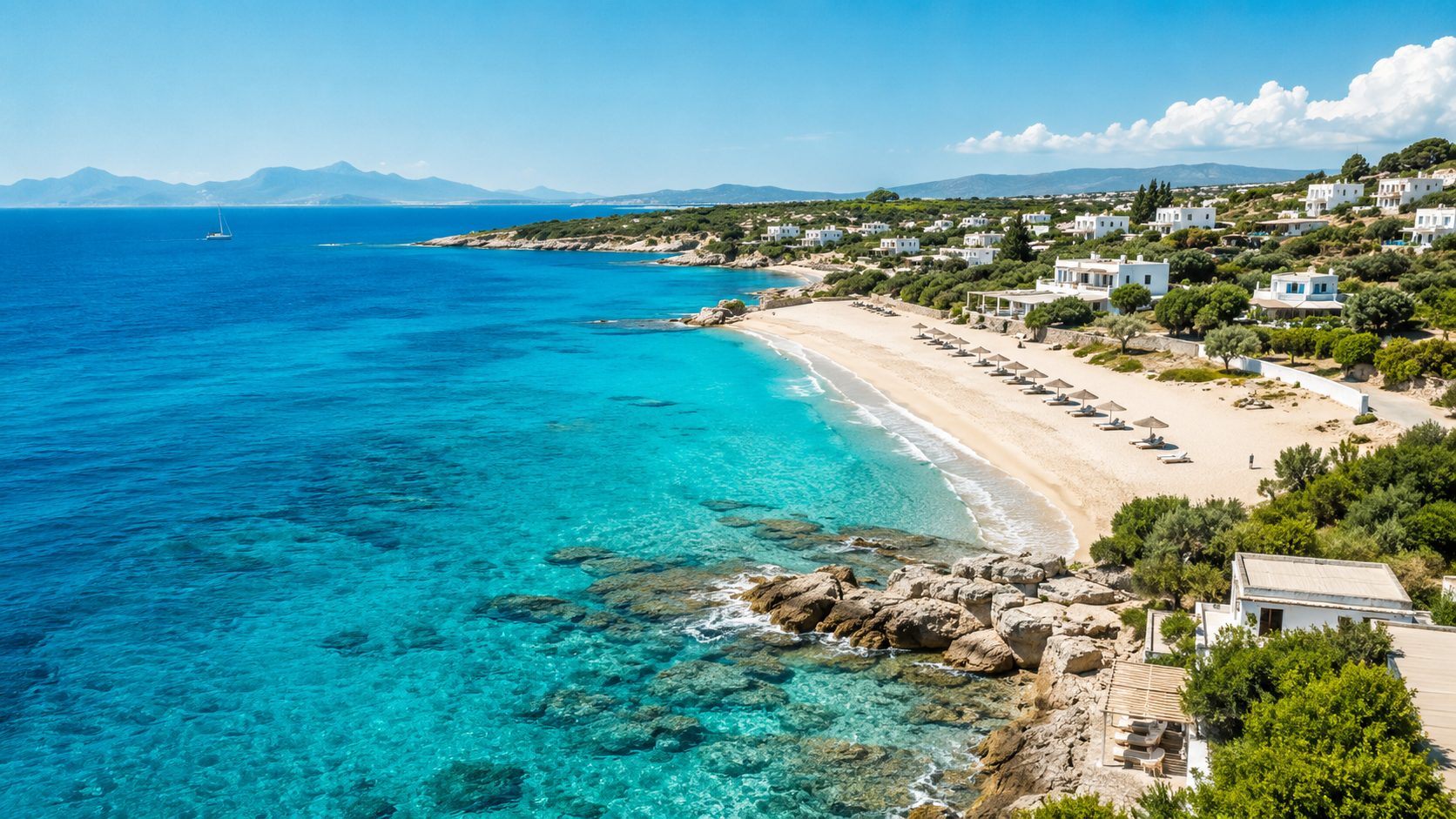
A half-day here still leaves room for a beach or a quiet afternoon near your accommodation. Our things to do in Çeşme guide offers other options, while the three-day itinerary shows how to give the town centre its own place in a longer trip. If the Erythrai collection catches your interest, plan Ildır separately, with its own transport and a check of current visiting conditions.