
Çeşme · When to visit
Best Time to Visit Çeşme: Month-by-Month Guide
The best time to visit Çeşme depends on what you want: June and September for balance, July–August for peak summer, and May or October for quieter trips.
Read guide7 min

Winter and rainy days
Plan a winter visit to Çeşme and Alaçatı: choose a base, visit the castle, arrange thermal-pool access and adapt a two-day itinerary to rain.
4 min read
At a glance
Winter changes what is worth planning in Çeşme. Instead of linking several beaches, choose a base with a manageable walk to food, leave space for the castle museum and make any thermal visit a confirmed booking. A shorter itinerary with an alternative for rain is more useful than a full page of summer addresses.
This guide is for a winter break once you have decided to come. For choosing between the seasons, use the best-time-to-visit guide. Here, the focus is what to do with two days, where to sleep and how to avoid spending a wet afternoon chasing places that are closed.
A winter visit can suit time in the old streets, a museum, meals and a comfortable hotel. It is not the same proposition as a holiday built around beach clubs and nightly entertainment. If one restaurant or facility is the reason for coming, confirm it is operating on your dates before booking the rest of the trip.
Families should plan short outdoor sections with a known place to stop. The same applies to visitors with limited mobility: a compact map does not remove steps, slippery paving or an exposed approach. Leave room to abandon a walk without abandoning the entire day.
| Your priority | Area to consider | Question before booking |
|---|---|---|
| Castle, bazaar and short walks | Çeşme town centre | Heating, access and evening food nearby |
| Old streets and restaurants | Central Alaçatı | Which businesses are open and how to reach the door |
| More time at the hotel | A suitable property around Ilıca or Şifne | Which pools operate and what costs extra |
| A car-free weekend | A central address near your chosen stops | Current services and the return connection |
Ask how the room is heated, not merely whether the property is open. Check hot water and indoor common space too. A spa label does not tell you which facilities will be available, and a pool photograph does not establish winter operation.
One base is enough for a visit combining Çeşme and Alaçatı; there is no need to move hotels for a two-day stay. Compare the likely journeys in the accommodation guide, then check the precise address against the places you intend to visit.
Begin with the museum inside Çeşme Castle, arranging your day around current admission and last-entry times. The collections include finds from Bağlararası and Erythrai, so there is a reason to visit beyond the viewpoint. Avoid treating the entire castle as an indoor refuge: passages, steps and open sections still require suitable footwear.
Afterwards, continue through the bazaar and towards the marina if the weather permits. If the wind makes the waterfront unpleasant, go straight to a meal instead. You do not need to add Ildır and Alaçatı to the same day. The castle and town guide provides a more detailed walk that you can shorten.
This is a suggested sequence, not a timed tour. Starting late may mean choosing the museum or the full walk rather than rushing both before a booking.
Use a dry interval for the windmills, central streets and Hacımemiş. A walk with a stop for food is enough; you do not have to stay outside all day. Footwear that grips wet paving is more useful than planning every photograph in advance. Empty-street images also say nothing about shop opening hours.
Saturday is the weekly market day. Give it separate time if shopping matters to you, and check local conditions when bad weather affects the visit. The Alaçatı walk and Saturday market guide cover different outings rather than one compulsory route.
For a day with less walking, investigate a thermal facility. Ask about day admission, indoor versus outdoor pools, children’s access, towels and lockers. A hotel reservation elsewhere does not grant pool access here. Our thermal-springs guide explains the distinctions; thermal sources by the shore do not turn the whole sea into a heated pool.
Check current weather and marine warnings before going out. A shower and a strong-wind warning call for different decisions. Do not force a pier, coastal walk or boat outing into the day when conditions are unsuitable.
| Conditions | A practical adjustment |
|---|---|
| Short showers | Shorten the walk and keep an indoor meal nearby |
| Persistent rain | Choose a confirmed museum or facility visit |
| Strong winds or an official warning | Postpone exposed coastal plans and follow the warning |
| Uncertain return transport | Stay in the current area instead of adding another transfer |
A long café stop is a perfectly reasonable part of a short break. Identify a few operating places before leaving rather than relying on a supposedly year-round list. Current opening information is more useful than another distant attraction.
Yes, if you select a central base and keep the daily plan small. Verify the last return service as carefully as the outward journey; do not assume summer schedules apply. Arrange a return from any outlying restaurant before setting off.
Keep departure day simple. Read the airport transport guide alongside the car-free guide, and leave space for the actual connection you book. Even with a rental car, an unfamiliar cove road is not automatically a sensible wet-weather detour.
Winter does not establish a price on its own. Obtain quotes for your dates and separate accommodation, transport, meals, museum admission and any pool visit. Check what a weekend or holiday package includes before comparing it with a room-only rate.
For restaurants, ask about indoor seating, kitchen closing time and reservation terms. The local-food guide gives ideas, but not every seasonal ingredient will be on every menu. A few confirmed choices will usually serve a two-day trip better than a long wish list.
Ask about room heating, late arrival and meals before booking. Confirm museum entry, kitchen hours and pool access separately. Pack shoes for wet paving, layers and a wind-resistant outer layer.
Editorial
Çeşme · When to visit
The best time to visit Çeşme depends on what you want: June and September for balance, July–August for peak summer, and May or October for quieter trips.
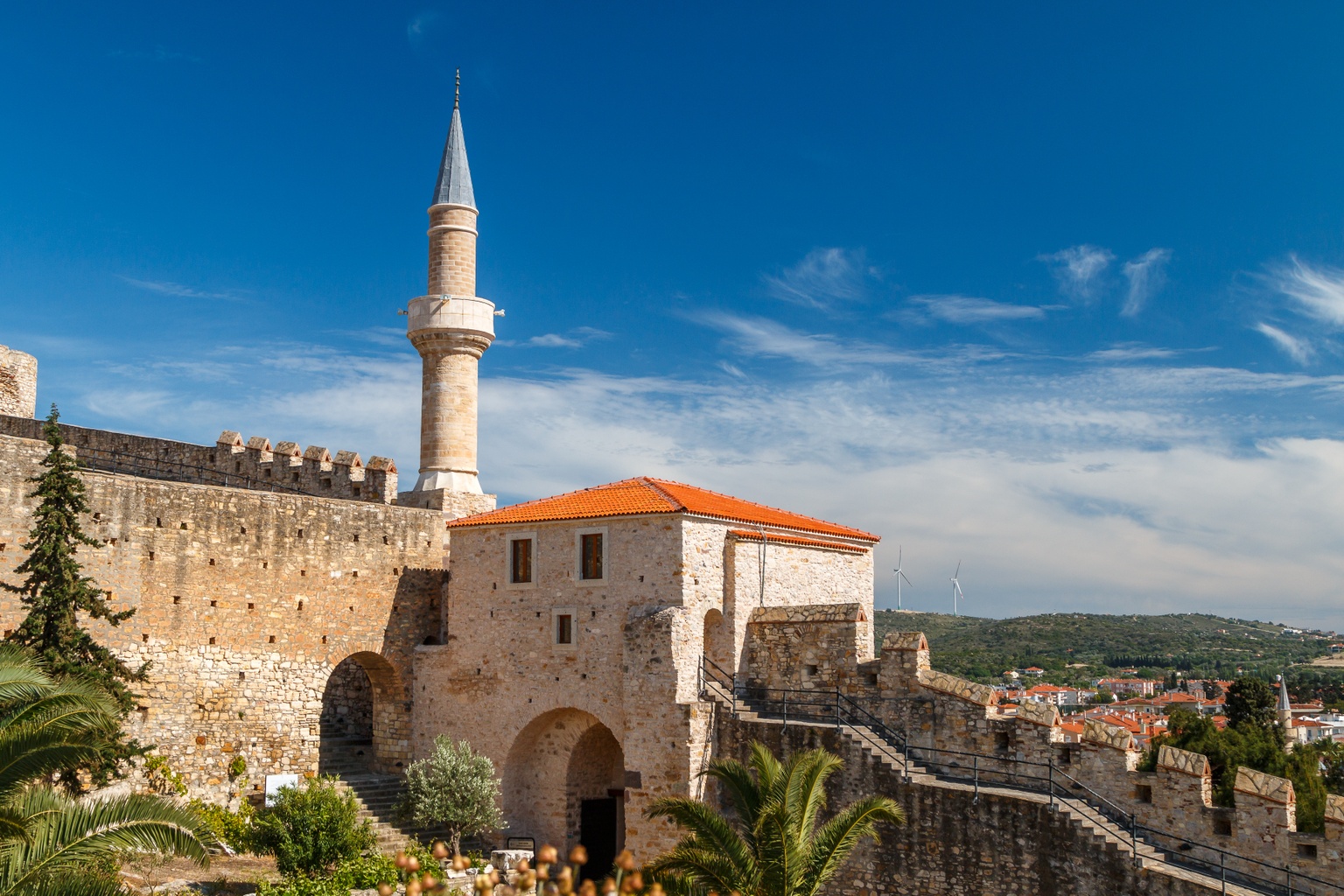
Çeşme · Çeşme · Culture & walks
Start inside Çeşme Castle, explore the museum and old streets, then finish by the harbour. A flexible half-day with practical advice for the visit.

Çeşme · Thermal water guide
Çeşme’s thermal side is easy to miss if you only think of the peninsula in terms of beaches and summer nightlife. In Ilıca, naturally hot spring water reaches the sea; around Şifne, thermal water is more closely associated with pools and spa or bathing facilities. Understanding that difference makes it much easier to decide whether thermal water should simply be part of a beach day or a separate stop in your itinerary.

Çeşme · Family
Where to stay, which beaches work best with younger children, whether you need a car, and how to plan easy summer days in Çeşme.

Çeşme · Çeşme guide
Things to do in Çeşme: beaches, Alaçatı, Çeşme Castle, windsurfing, boat trips and Ildır, with practical advice for a first visit.

Çeşme · Çeşme travel budget
What does a Çeşme trip really cost? A realistic 2026 look at hotels, food, beaches, transport, nightlife and daily spending.
Last verified: