Itinerary
Three days on the peninsula
How to spend a first visit without spending it in the car: one bay, one town, one long dinner per day.
Read guide8 min
Alaçatı
A stone village that was nearly empty forty years ago and is now the peninsula's centre of gravity.
Selected Türkiye · 6 min read
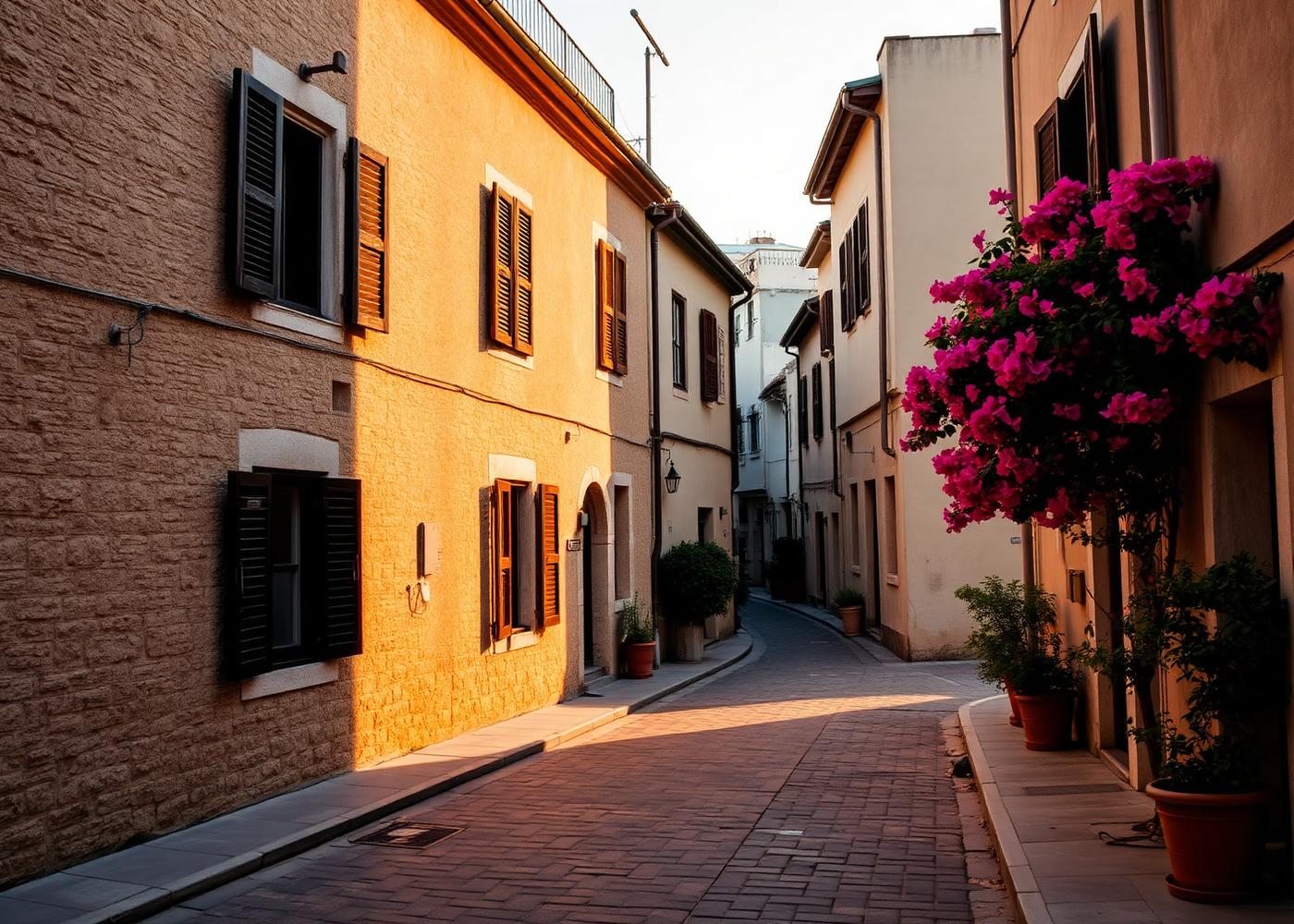
Alaçatı is a former Greek-Ottoman village of stone houses, narrow lanes and wooden shutters, restored over the past three decades into the peninsula's most concentrated place to eat, drink and stay. The architecture is the reason to walk it; the density is the reason to time it.
The core is small. Kemalpaşa Caddesi and the lanes around it hold most of the restaurants, bars and shops, and the whole centre can be crossed on foot in fifteen minutes. Beyond it, streets empty quickly and the village becomes residential again within a couple of blocks.
The best hours are early and late. Before ten in the morning the light is on the stone, the streets are being swept and the bakeries are open. After eleven at night the crowd thins and the courtyards quieten. Between six and ten in the evening in August, the centre is a slow-moving crowd.
The Saturday market is the fixture worth planning around: produce, herbs, cheese, olive oil and the wild greens the Aegean kitchen is built on, alongside the usual textiles and souvenirs. Go in the morning.
The windmills on the ridge above the village are the standard photograph and a reasonable short walk for the view over the bay. The church of Ayios Konstantinos in the centre, now a mosque, is the clearest surviving trace of the village's earlier life.
A fair warning: Alaçatı is not undiscovered, and pretending otherwise makes for a worse trip. Treat it as a beautifully restored village that is also busy, plan around its hours, and it holds up.
Editorial
Itinerary
How to spend a first visit without spending it in the car: one bay, one town, one long dinner per day.
Beaches
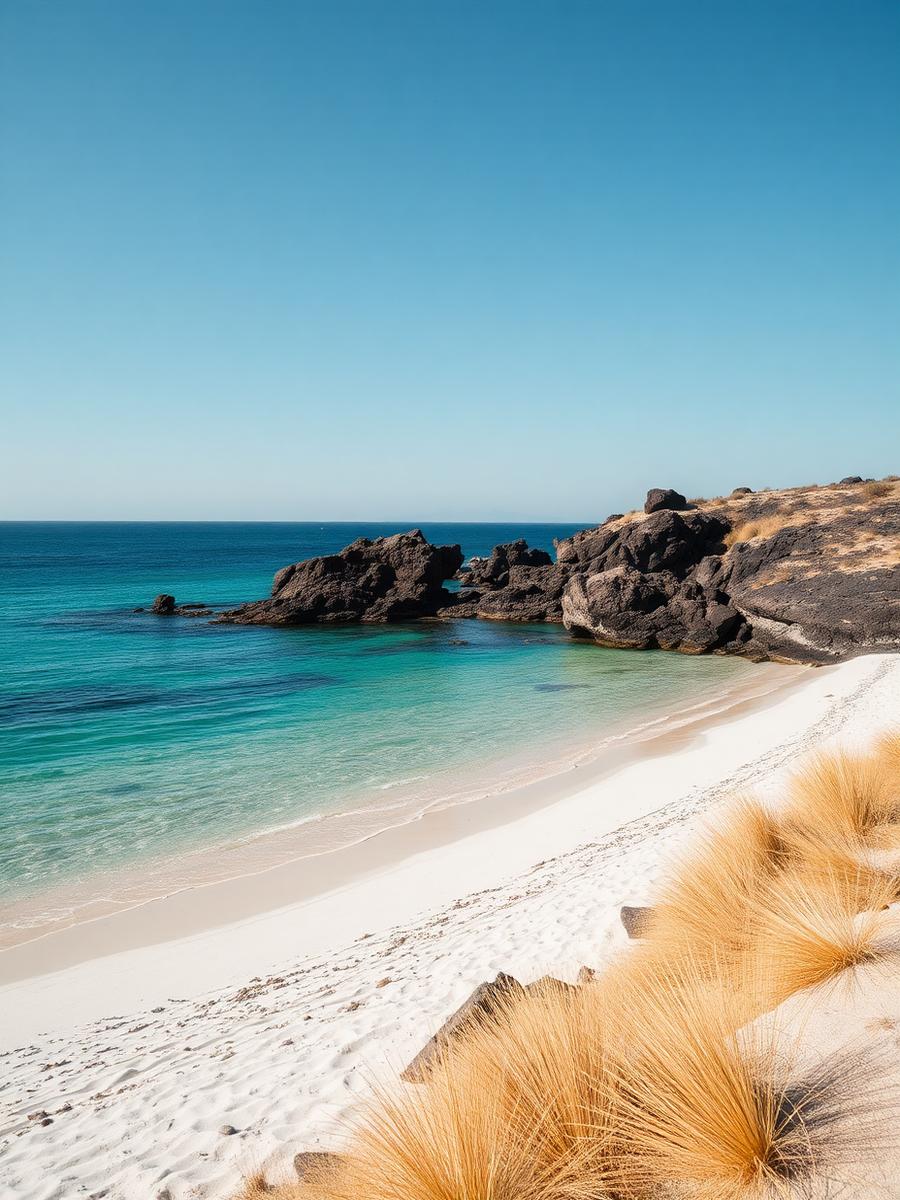
The peninsula has sand on one side and rock on the other. Which you want depends on the day you have in mind.